
Low-Slope Roofing
Flat Roof Repair in Cape Coral, FL
Flat and low-slope roofs are common on additions, lanais, garages, and some commercial-style Cape Coral properties, and they rely on a very different drainage strategy than pitched shingle or tile roofs. Because water has nowhere to run off quickly, even small membrane flaws or clogged drains can lead to ponding and interior leaks. Flat roof repair focuses on restoring the waterproof membrane, correcting drainage, and addressing the seams and penetrations where failures typically start.
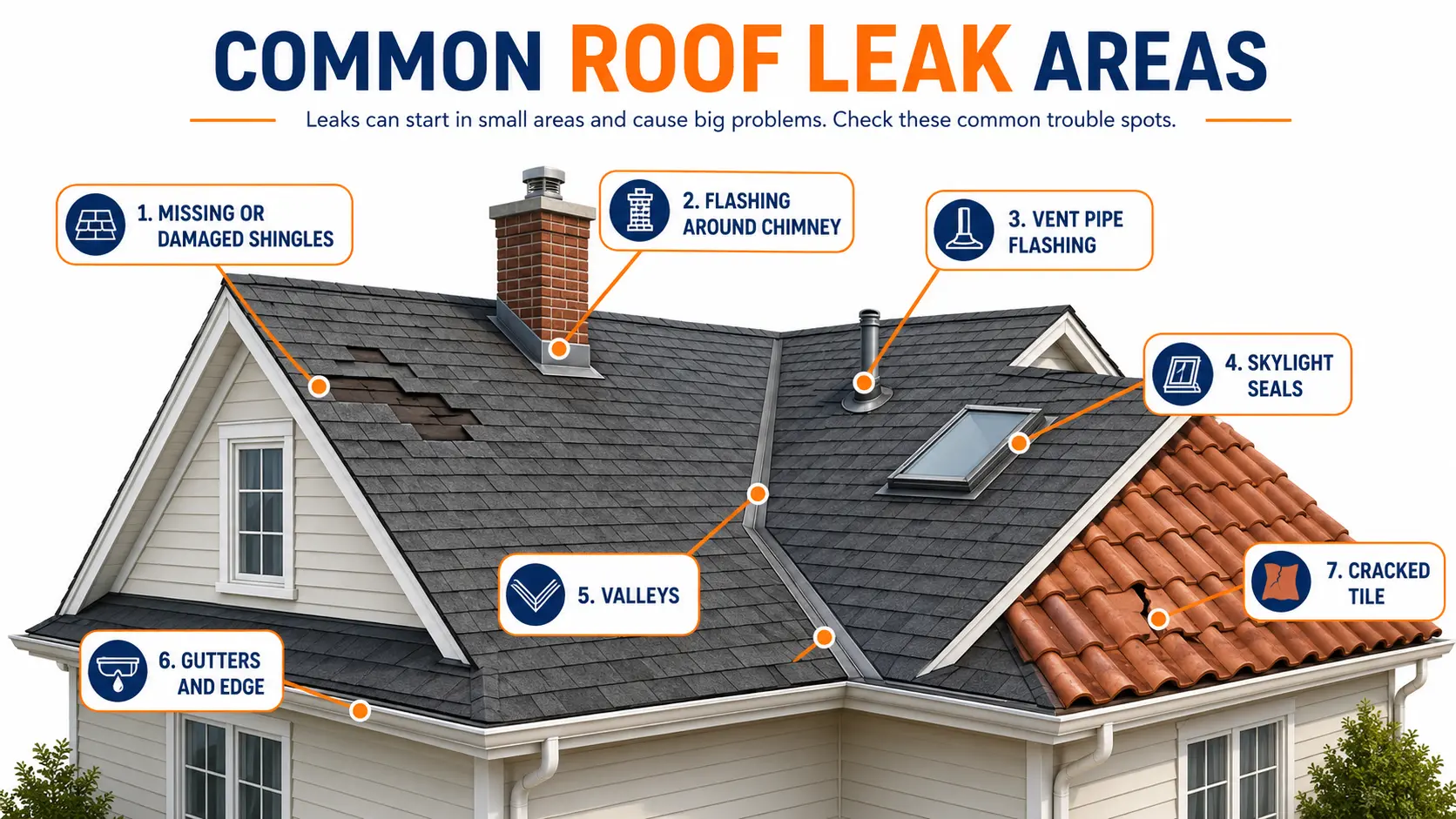
Common Signs a Flat Roof Needs Repair
Flat roofs often show distress differently than pitched roofs. Because the surface is largely hidden from street view, problems can go unnoticed until water intrusion appears inside the structure below.
Recognizing early warning signs can help limit the extent of repair work needed later.
- Standing water that remains 48 hours after rainfall
- Bubbling, blistering, or cracking in the membrane surface
- Soft or spongy spots underfoot on the roof deck
- Interior ceiling stains beneath a flat roof section
- Separated seams on modified bitumen or TPO membranes
What Causes Flat Roof Problems in Cape Coral
Flat roofing systems in Southwest Florida face intense sun exposure and heavy seasonal rainfall, both of which stress membrane materials over time.
UV exposure can dry out and embrittle certain membrane types, while ponding water accelerates deterioration wherever drainage slope is inadequate. Debris accumulation in scuppers or drains is another frequent contributor, since blocked drainage paths force water to pool rather than exit the roof surface.
What a Flat Roof Inspection May Examine
An inspection of a flat or low-slope roof typically looks beyond the visible surface to identify the underlying cause of water intrusion.
- Membrane condition, including seams, laps, and flashing details
- Drain, scupper, and gutter function around the roof perimeter
- Roof slope and any areas prone to ponding
- Penetrations for vents, HVAC units, and conduit
- Interior ceiling and wall areas below the roof for moisture evidence
Repair Approaches for Flat Roofing Systems
Repair work on flat roofs typically depends on the membrane type installed, whether TPO, modified bitumen, EPDM, or built-up roofing. Localized membrane patches can often address isolated punctures or seam separations, while more widespread ponding issues may call for tapered insulation or drainage corrections.
Sealant and flashing details around penetrations are frequently rechecked during repair work, since these transition points are common leak sources on low-slope systems.
Cape Coral Climate and Flat Roof Durability
Cape Coral's combination of intense summer heat, frequent afternoon thunderstorms, and hurricane-season wind and rain places real demands on flat roofing materials. Membranes that are otherwise sound can still develop issues if drainage was not designed or maintained properly for the volume of rain the region receives.
When Faster Attention May Be Appropriate
Active leaking during rainfall, visible sagging in the roof deck, or rapidly spreading interior stains are situations where scheduling an inspection sooner rather than later can help avoid additional interior or structural damage.
Questions & Answers
- Why does my flat roof hold standing water?
- Ponding usually results from inadequate roof slope, settled insulation, or blocked drains and scuppers. A roof inspection can identify whether the ponding is a drainage design issue or the result of debris buildup that can be cleared.
- Can a small membrane puncture really cause a big leak?
- Yes. Because flat roofs lack the runoff advantage of pitched roofs, even a small puncture can allow water to sit against the opening for extended periods, gradually working through the membrane and roof deck below.
- How often should a flat roof be checked?
- Many flat roofs benefit from periodic visual checks, especially after major storms, since debris and ponding issues can develop gradually and are not always visible from ground level.
- Is patching or full membrane replacement needed?
- This depends on the extent and location of the damage found during inspection. Isolated seam or puncture issues are often addressed with localized patch repair, while widespread membrane deterioration may require a larger scope of work.
- Do flat roofs need different materials than pitched roofs?
- Yes, flat and low-slope roofs typically use membrane systems such as TPO, modified bitumen, or EPDM rather than shingles or tile, since these materials are designed to manage water on a minimally sloped surface.
- Can heat affect a flat roof in Cape Coral?
- Extended UV and heat exposure can gradually dry out and embrittle some membrane materials, which is one reason flat roofs in Southwest Florida are checked periodically for cracking or granule loss on the surface.