
Cape Coral · Caloosahatchee
Roof Repair Along the Caloosahatchee Corridor
The neighborhoods near the Caloosahatchee River in southeast Cape Coral form one of the city's established areas, with canal-lined residential streets and convenient access to the South Cape and Del Prado corridors. This page covers roof leaks, storm damage, and inspection considerations for properties in this river-adjacent part of the city.
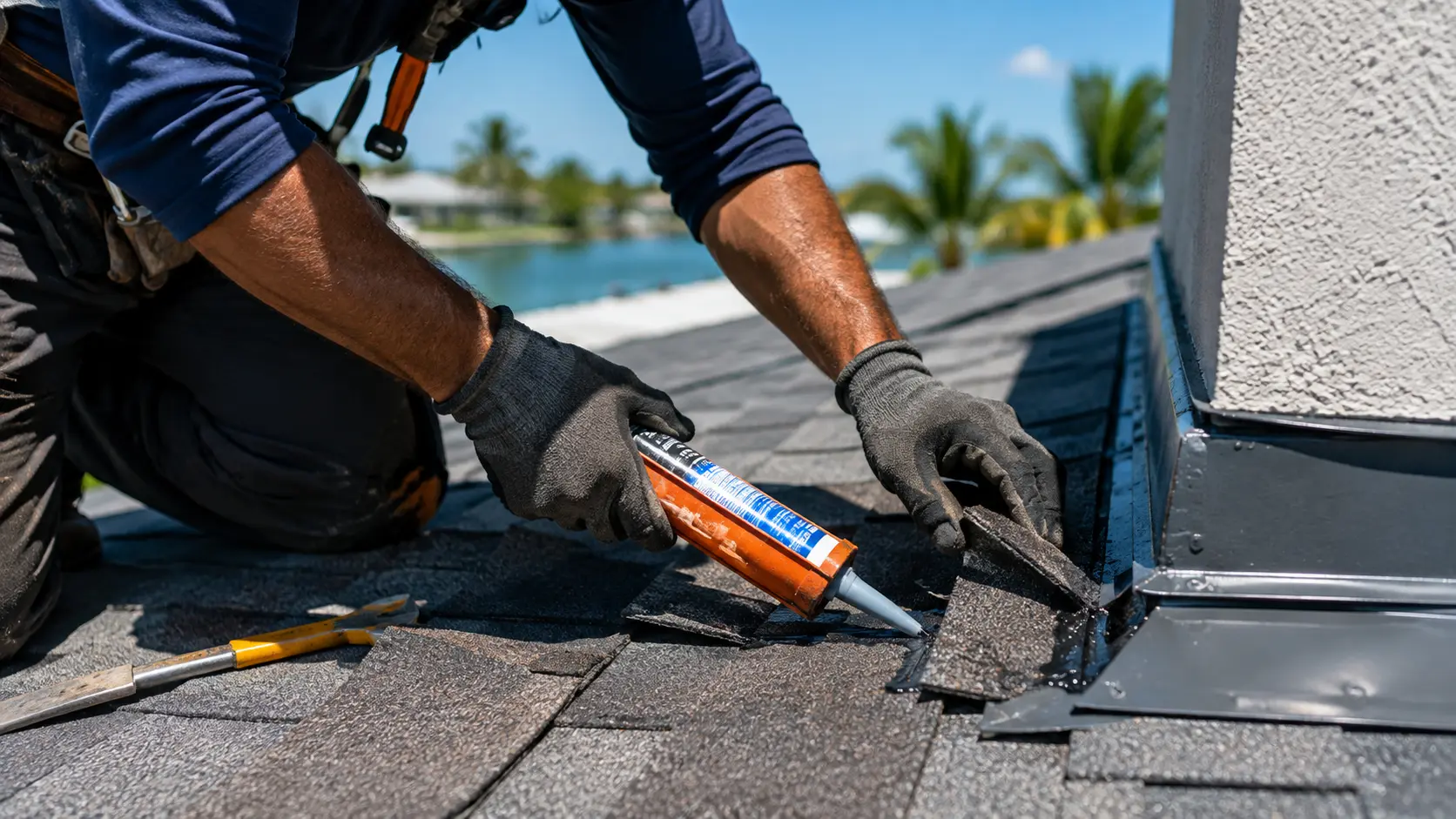
An Established Corridor Near the River
Southeast Cape Coral's river-adjacent neighborhoods include established streets lined with canals, many built out over past decades with a mix of home styles and roofing materials. Roofing systems in the area vary from asphalt shingle to tile, and range from more recently updated to considerably older.
Proximity to the Caloosahatchee River brings higher humidity and periodic breezes off the water, which can affect how roofing materials age over time, particularly around metal flashing and fasteners.
Roofing Materials Found in the Area
Because this corridor is an established part of the city, roofing materials reflect a range of construction periods.
- Asphalt shingle roofs of mixed ages
- Tile roofing on some updated or newer homes
- Metal roofing on select homes and additions
- Soffit and fascia trim that can be affected by humidity over time
Canal-Lined Lots and Mature Landscaping
Many homes in this part of southeast Cape Coral sit on canal-lined lots with landscaping that has had decades to mature, and both of these factors influence how a roof wears and drains over time. Overhanging tree limbs can drop leaves, seed pods, and small branches onto a roof, where debris tends to accumulate in valleys, around vent stacks, and along gutter lines if not cleared periodically.
Accumulated organic debris holds moisture against roofing material longer than a clear surface would, which can contribute to granule loss on shingles or localized staining on tile. It can also clog gutters and downspouts, causing water to back up under the roof edge during heavy rain rather than draining away as intended.
Canal-adjacent lots add humidity to this equation, since water is often close by on more than one side of a property. The combination of shade from mature trees and persistent moisture can also create favorable conditions for algae or moss growth on north-facing or heavily shaded roof sections. For homes on these established, tree-lined canal lots, keeping gutters and roof valleys clear of debris is a practical part of maintaining good drainage and reducing avoidable wear.
Roof Leaks Near the River
Homes near the river corridor can experience leaks related to humidity-driven wear on seals and flashing, in addition to the usual causes like aging shingles or clogged gutters. A leak that appears after a period of heavy rain is often a sign that water is finding a path through a compromised flashing point or worn section of roofing material.
Attic ventilation also plays a role in how quickly moisture problems develop, so poor airflow combined with river humidity can sometimes accelerate underlying issues.
Storm and Wind Damage
Open areas near the river can experience stronger, more direct wind during storms compared to more sheltered inland blocks. Wind-driven rain during tropical weather can push moisture into gaps around vents, skylights, and roof edges that might otherwise stay dry.
After storms, checking gutters, downspouts, and visible roof edges for debris or damage is a reasonable first step before scheduling a closer inspection.
Questions & Answers
- Does the river corridor affect how roofs wear over time?
- Higher humidity and periodic wind exposure near the river can contribute to gradual wear on seals, flashing, and fasteners, so periodic inspection is worthwhile.
- What roofing materials are common in this corridor?
- The area includes a mix of asphalt shingle, tile, and some metal roofing, reflecting the range of home ages along the corridor.
- How can a leak be traced to humidity versus storm damage?
- An inspection can help determine the source, whether it's gradual wear, a specific storm event, or a combination of both.
- Is attic ventilation something to be concerned about?
- Poor attic ventilation can accelerate moisture-related issues, so it's worth having checked as part of a general roof inspection.
- Do mature trees and canal-lined lots affect roof maintenance needs?
- Yes, overhanging trees can drop debris that holds moisture on a roof, and canal-adjacent humidity can add to wear, making periodic clearing and inspection useful.