
Cape Coral · Trafalgar
Roof Repair Near Trafalgar Parkway, Cape Coral
The neighborhoods around Trafalgar Parkway in central Cape Coral are made up largely of established residential streets, with many homes built over the past few decades. This page covers the kind of wear and occasional storm damage that comes with mature roofing systems in a well-settled part of the city.
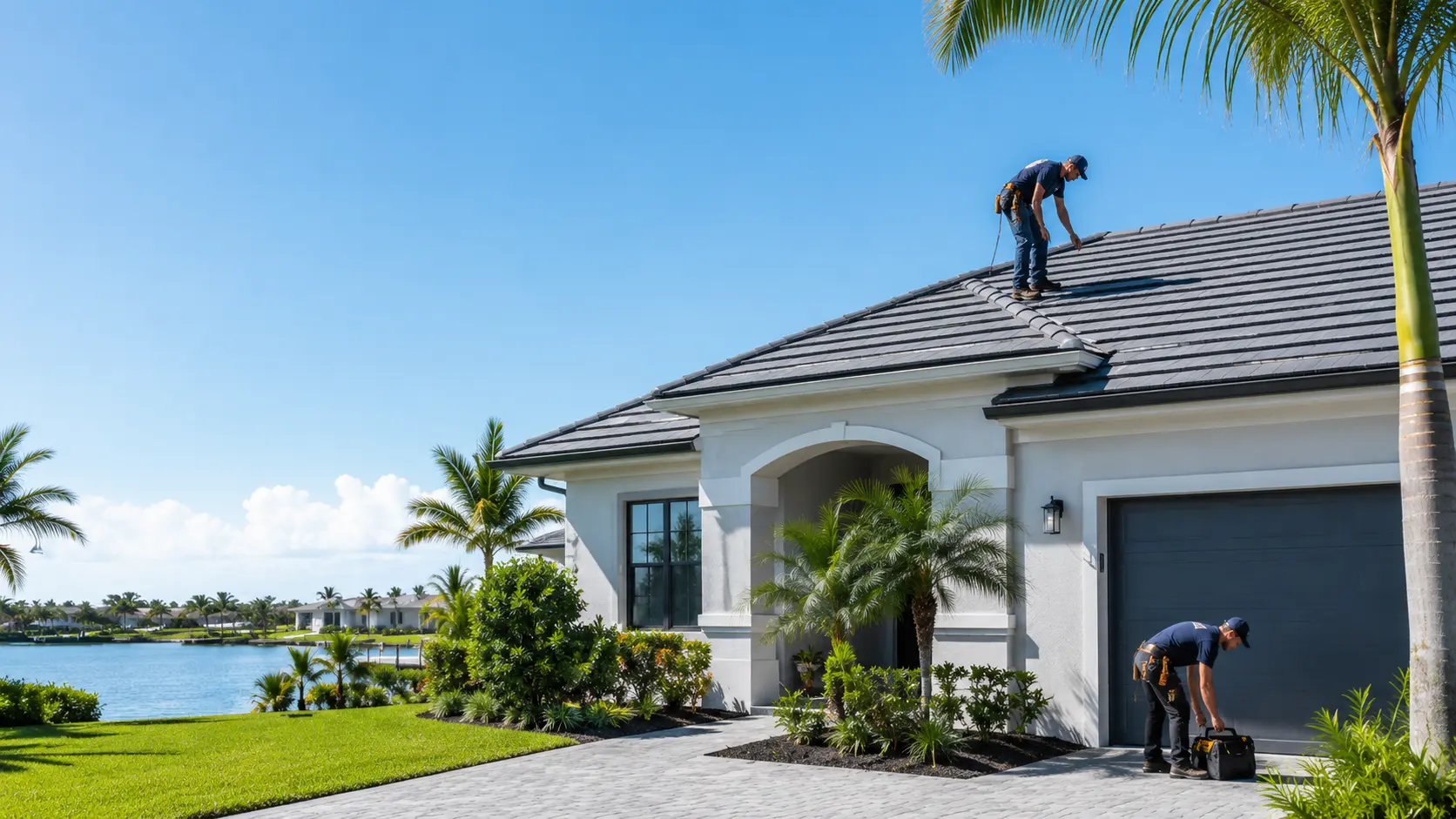
A Well-Established Central Neighborhood
Streets around Trafalgar Parkway represent some of Cape Coral's more built-out residential areas, with mature landscaping and homes that have been through multiple Florida wet seasons. Roofing in this part of the city tends to be a mix of asphalt shingle and tile, installed at various points over the past several decades.
Because these are inland streets rather than direct waterfront, homes here are somewhat less exposed to salt air, but they still face the same sun, heat, and seasonal rain that affect roofs across Cape Coral.
Typical Roofing in the Area
The established nature of the neighborhood means a wide range of roof ages and conditions.
- Asphalt shingle roofs of varying ages
- Concrete tile roofing on many homes
- Overhanging trees that can drop debris onto roofs
- Gutters and downspouts that need periodic clearing
Inland Roof Aging and Tree Debris
Mature landscaping is one of the defining features of the streets around Trafalgar Parkway, and it has a direct effect on roof condition over time. Large trees that have grown alongside these homes for decades regularly shed leaves, seed pods, and small branches onto roof surfaces, where the debris tends to settle in valleys, around vent penetrations, and along gutter lines rather than washing away.
Accumulated organic material holds moisture against shingles or tile far longer than a clean roof surface would, which can accelerate granule loss on asphalt shingles and promote the growth of algae or moss in shaded areas. Branches rubbing against a roof during windy conditions can also wear through shingle surfaces or chip tile edges over repeated cycles of movement.
Gutters and downspouts clogged with leaf litter compound the problem, since water that can't drain properly may back up under roof edges instead of flowing off the roof entirely. In a neighborhood with this much tree cover, periodic clearing of roof valleys and gutters is a practical maintenance step, separate from any storm-related concerns, and is often overlooked until a leak or stain draws attention to it.
Roof Leaks in Established Homes
In a neighborhood with mature trees, debris buildup on roofs and in gutters is a common contributor to leaks, since trapped moisture and organic matter can accelerate wear on shingles or work its way under tile edges. Aging flashing around chimneys and vent stacks is another common source of leaks in homes that have been standing for many years.
A ceiling stain, peeling paint, or a musty attic smell are all signs worth having checked promptly.
Storm Damage Away From the Water
While Trafalgar-area homes are set back from open water, they're not immune to storm damage. Heavy wind gusts during tropical systems can still lift shingles, break tile, or snap branches that fall onto a roof. Standing water on flat sections, such as over garages or additions, can also become a problem if drainage is blocked by debris after a storm.
Questions & Answers
- Are inland neighborhoods like Trafalgar less prone to roof issues than waterfront areas?
- Inland homes generally see less salt air exposure, but they still face sun, rain, and storm-related wear, along with debris from mature trees.
- How does tree debris affect a roof?
- Leaves and branches can trap moisture on a roof surface or clog gutters, both of which can contribute to leaks over time.
- What roof types are most common around Trafalgar Parkway?
- Asphalt shingle and concrete tile roofing are both common throughout this established part of Cape Coral.
- Can a chimney or vent stack cause a leak?
- Aging flashing around these penetrations is a frequent source of leaks in older established homes.
- Should gutters be checked as part of a roof inspection?
- Clogged or damaged gutters can contribute to roof and fascia problems, so they're generally worth including in an inspection.