
Roof Assessment
Roof Inspection in Cape Coral, FL
A roof inspection is a structured review of a roof's condition, intended to identify existing damage, developing wear, and areas at risk before they lead to interior leaks or more extensive repair needs. For Cape Coral homeowners, inspections are commonly requested after storms, before or after a real estate transaction, or simply as part of periodically checking on an aging or previously repaired roof.
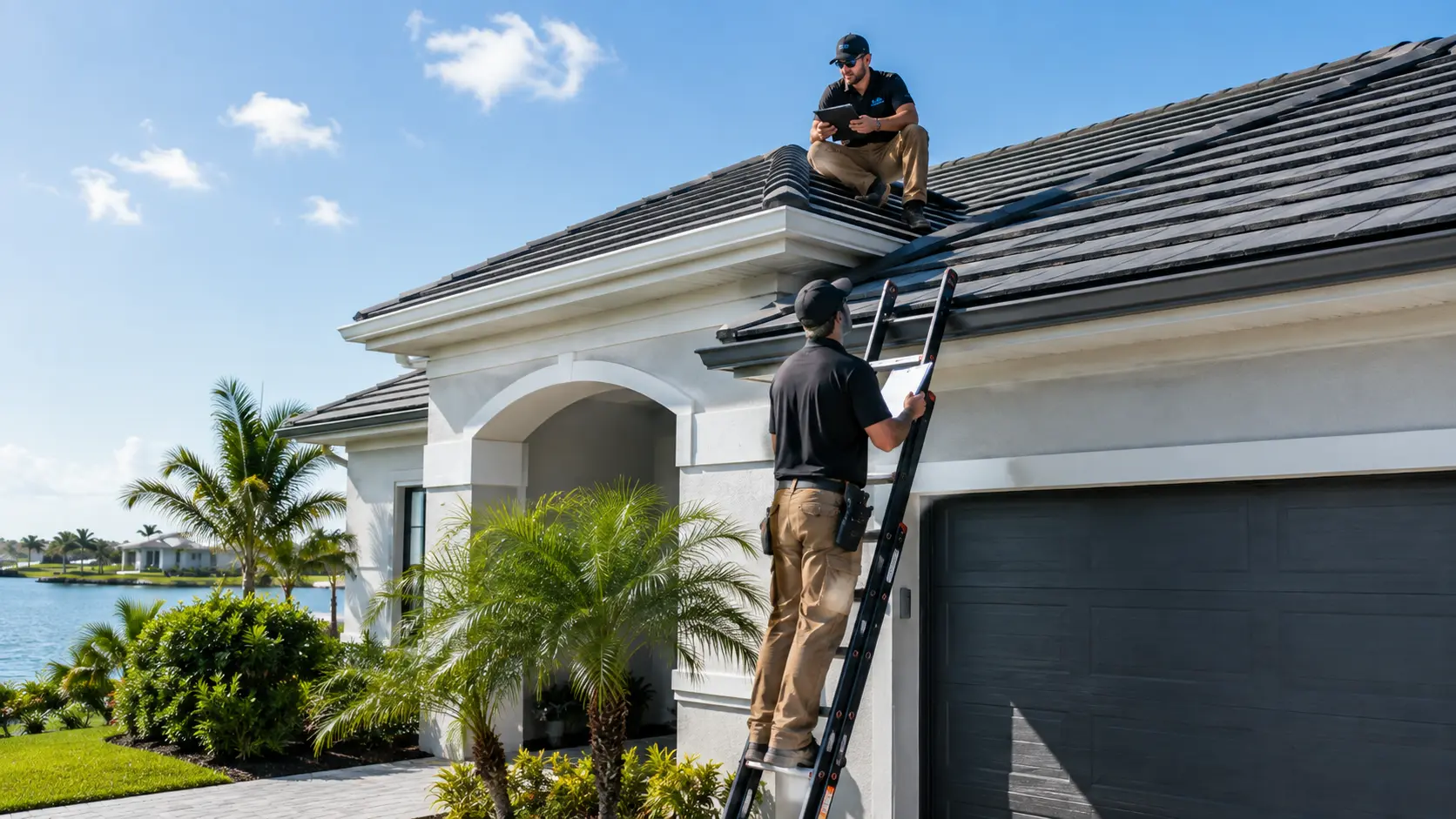
When a Roof Inspection Is Commonly Requested
Roof inspections serve a variety of purposes beyond responding to an active leak.
- After a hurricane, tropical storm, or significant wind event
- Before purchasing or selling a home
- Following visible interior water staining
- As a periodic check on an aging roof
- After other repair work to confirm the fix addressed the issue
What Areas a Roof Inspection Typically Covers
A thorough inspection generally moves systematically across the roof structure rather than focusing on a single reported problem area, since related issues can sometimes be found in unexpected locations.
- Roofing material condition, including shingles, tiles, or metal panels
- Flashing at valleys, walls, chimneys, and penetrations
- Vent boots, caps, and general attic ventilation
- Gutters, soffit, and fascia along the roofline
- Attic interior for moisture, staining, or insulation issues
- Overall structural signs such as sagging or uneven roof planes
Interior and Exterior Components of an Inspection
While much of a roof inspection focuses on the exterior surface, checking the attic interior is often equally important. Moisture, staining, or daylight visible from inside the attic can reveal leak points that are not obvious from the roof surface itself, since water can travel along rafters or decking before appearing at a ceiling.
Combining exterior and interior observations generally provides a more complete picture of a roof's actual condition than an exterior-only review.
Storm-Related Inspections in Cape Coral
Given Cape Coral's exposure to tropical storms and hurricanes, post-storm inspections are a common and practical step even when no obvious interior leak has appeared yet. Wind can lift or loosen roofing material, shift flashing, or introduce debris damage that is not immediately visible but can develop into a leak with the next significant rainfall.
How Roof Material Affects the Inspection Process
The specific checks performed can vary somewhat depending on roofing material. Shingle roofs are checked for granule loss, curling, and lifted edges. Tile roofs require checking for cracked or slipped tiles along with the underlayment beneath. Metal roofs are reviewed for fastener condition and seam integrity, while flat or low-slope roofs are examined for membrane condition and drainage function.
What Happens After an Inspection
Following an inspection, findings are typically organized by location and severity, helping distinguish between issues requiring prompt repair and areas that may simply warrant continued monitoring. This information can also be useful when discussing repair options or documenting roof condition for insurance purposes.
Questions & Answers
- How long does a roof inspection take?
- The time required depends on roof size, complexity, and accessibility, but a typical residential inspection generally takes under an hour to walk the roof surface and check attic access points.
- Should I get an inspection after every storm?
- Inspecting after significant wind events, particularly tropical storms or hurricanes, can help identify damage before it develops into a leak, even if no interior water intrusion has appeared yet.
- Can a roof inspection help with an insurance claim?
- An inspection can document current roof condition and identify specific damage, which may be useful supporting information when discussing a claim with an insurance provider, though claim decisions rest with the insurer.
- Do inspections include checking the attic?
- Many thorough inspections include an attic-side review where accessible, since interior moisture, staining, or daylight visible through the roof deck can reveal leak points not obvious from the exterior alone.
- How often should a roof be inspected if there are no known issues?
- Even without known problems, periodic inspection helps catch gradually developing wear, such as aging sealants or loosening flashing, before these issues progress into active leaks.
- Does roof age affect how often inspections are needed?
- Older roofs generally benefit from more frequent inspection, since materials and sealants naturally degrade over time and are more likely to develop issues than a newer roof installation.